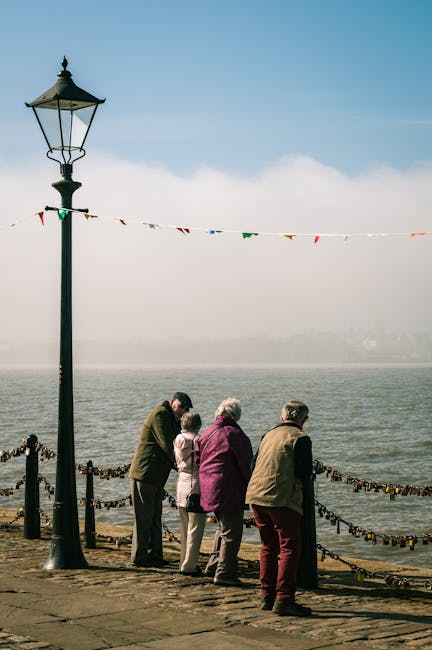
Have you ever wondered why Sunderland’s local culture is often overlooked, despite its rich offerings at Roker Park and Roker Pier? This oversight can be frustrating, especially for newcomers and even long-time residents who might not fully appreciate what these iconic locations have to offer.
The Problem of Underappreciation
Many people visit Sunderland for its vibrant football scene or its industrial history, but they often neglect the cultural gems nestled within its coastal areas. Roker Park and Roker Pier are prime examples of this local culture, yet they are frequently dismissed as mere recreational spaces rather than integral parts of Sunderland’s identity.
One of the primary causes of this oversight is a lack of awareness about the historical significance of these sites. Roker Park, designed in the 19th century, is not just a park; it’s a testament to Sunderland’s commitment to public green spaces. Meanwhile, Roker Pier, with its iconic lighthouse, represents the town’s maritime heritage, yet many visitors only see it as a place to walk along the coast.
Engaging with Roker Park
When exploring Roker Park, many make the mistake of treating it solely as a scenic backdrop for a stroll. This park is alive with local culture and history, and engaging with it requires a deeper investment. The park features beautiful floral displays, a boating lake, and a variety of wildlife that can provide a unique experience for those willing to take the time to observe and reflect.
Additionally, many overlook the local events that take place here, from community fairs to art installations. Participating in these activities can give deeper insight into Sunderland’s local culture, fostering a sense of community and belonging that is often missed by casual visitors.
Discovering Roker Pier
Roker Pier is another cultural landmark that is frequently underestimated. While walking along the pier is a common activity, many fail to appreciate its role as a focal point for the local fishing community and its historical importance in maritime safety. This pier is more than just a structure; it is a living piece of Sunderland’s history.
Visitors often miss opportunities to engage with local fishermen or to learn about the pier’s restoration efforts. Understanding the stories behind Roker Pier can enhance one’s appreciation for Sunderland’s coastal culture and the people who contribute to it.
Connecting the Dots
The connection between Roker Park and Roker Pier is vital to understanding Sunderland’s local culture. Both locations reflect a commitment to community and heritage. However, many people make the mistake of viewing them in isolation rather than as interconnected elements of a larger cultural landscape.
To fully appreciate what Sunderland has to offer, it’s essential to explore these locations with a mindset open to discovery. Engaging with local history, participating in community events, and connecting with the residents can provide a richer understanding of Sunderland’s cultural tapestry.
In conclusion, if you’re visiting Sunderland, don’t just pass through Roker Park and Roker Pier. Dive deeper into the local culture, and you may find a vibrant community and a rich history waiting to be explored.
It could be worth checking out Yosoo Health Gear Car Radar Detector with 360-Degree Detection, Voice Alerts, Qu.
Related: Resources
We recently covered this in Sunderland Local Culture: Exploring Roker Park and Roker Pier.
For more detail, see Exploring the Heartbeat of Sunderland: Local Culture, Roker Park, and Roker Pier.