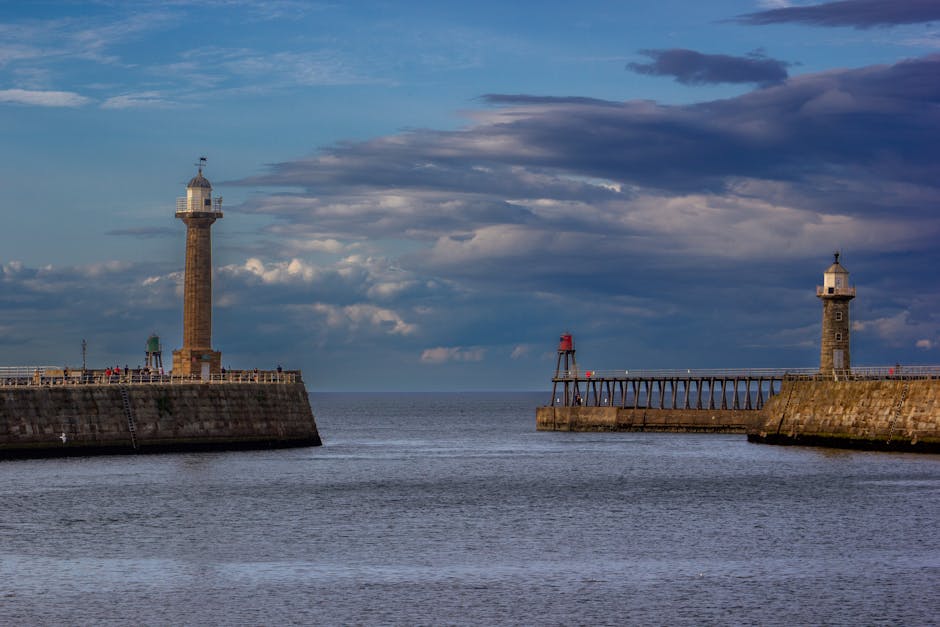
Imagine standing on Roker Pier, the salty breeze tousling your hair as you gaze out at the shimmering waters of the North Sea. The sound of seagulls echoes around you, mingling with laughter from families enjoying a sunny day at Roker Park. This scene perfectly encapsulates Sunderland’s rich local culture, where community spirit thrives amidst stunning natural beauty. However, for newcomers or visitors, understanding how to engage with and appreciate this unique culture can be overwhelming.
The Problem: Navigating Local Culture
It could be worth checking out a popular speed camera basics.
Many people find it challenging to connect with local culture when visiting a new area. In Sunderland, this feeling can be amplified by the city’s blend of historical significance and modern vibrancy. Without a clear guide, you might miss out on the subtle nuances that make Sunderland special.
Causes of the Disconnect
Several factors contribute to this disconnect. The city’s history is steeped in industrial heritage, which can sometimes overshadow its vibrant contemporary culture. Additionally, Sunderland’s local attractions, such as Roker Park and Roker Pier, may seem like mere recreational spaces rather than vital components of the city’s cultural tapestry.
Understanding Local Culture through Roker Park
Roker Park is a quintessential part of Sunderland’s local culture. Established in the 19th century, the park is a beautiful blend of landscaped gardens, tree-lined pathways, and picturesque lakes. It serves as a gathering place for the community, hosting events that reflect Sunderland’s heritage and contemporary life.
Visitors can enjoy a leisurely stroll through the park, observing the variety of activities taking place. Whether it’s families picnicking, joggers taking advantage of the scenic routes, or children playing in the designated areas, the park is alive with community interaction. The annual events, such as music festivals and outdoor movie nights, further enhance its role as a cultural hub.
Experiencing Roker Pier and Its Significance
Just a short walk from Roker Park, Roker Pier offers a different yet complementary aspect of Sunderland’s culture. This iconic structure, built in the 19th century, is not only a functional lighthouse but also a symbol of the city’s maritime history. Walking along the pier, you can witness the breathtaking views of the coastline and the North Sea, while also taking in the sights of fishermen casting their lines or families enjoying a day out.
The cultural significance of Roker Pier extends beyond its scenic beauty. It often serves as a backdrop for local art installations and community gatherings, reinforcing its place in the heart of Sunderland. The nearby Roker Beach adds to the experience, providing a space for leisure and reflection, where locals and visitors alike can enjoy the natural surroundings.
Connecting the Dots: Culture, Park, and Pier
To truly appreciate Sunderland’s local culture, it is essential to engage with both Roker Park and Roker Pier. They are not just places to visit; they are integral to understanding the city’s identity. By participating in events at the park or taking a leisurely walk along the pier, you can immerse yourself in the local community.
One practical solution to bridging the gap in understanding is to attend local events at these locations. Keep an eye on community boards, social media, or visit local cafes to gather information on upcoming activities. Engaging with locals during these events can also provide insights into the city’s culture and history, making for a richer experience.
With this in mind, remember that Sunderland’s local culture is waiting to be explored through the vibrant spaces of Roker Park and Roker Pier. Engaging with these areas will not only enhance your visit but also foster a deeper appreciation for the community that calls this city home.
You may also find this useful: Sunderland’s Hidden Gems: Exploring Local Culture, Roker Park, and Roker Pier.
We recently covered this in Sunderland’s Rich Local Culture: Exploring Roker Park and Roker Pier.