Are you truly aware of the cultural significance that Roker Park and Roker Pier hold within Sunderland? Many visitors and even locals often overlook the rich heritage and vibrant community life that these landmarks represent.
Exploring Sunderland Local Culture
Sunderland’s local culture is a tapestry woven from its industrial past, coastal heritage, and the community spirit of its residents. The city has a distinct identity shaped by its history of shipbuilding and coal mining, which is reflected in its public spaces, including Roker Park and Roker Pier.
Roker Park is not just a park; it serves as a cultural hub that hosts various events throughout the year. These include music festivals, art exhibitions, and community gatherings. The park’s design, featuring beautiful gardens and Victorian structures, invites both relaxation and interaction, fostering a sense of community among residents. In contrast, Roker Pier plays a different role. It is not only a picturesque spot for a leisurely stroll but also a symbol of Sunderland’s maritime heritage.
Roker Park: A Cultural Oasis
When visiting Roker Park, it’s essential to engage with the community and appreciate the events that take place there. Many people make the mistake of treating the park as just a green space for recreation. However, attending local events can enrich your understanding of Sunderland’s culture. For instance, the annual Roker Park Summer Festival showcases local talent, from musicians to artists, and it’s a great opportunity to connect with the community.
Moreover, the park’s gardens are meticulously maintained and reflect the horticultural efforts of the Sunderland community. Not everyone takes the time to explore these areas, often missing out on the seasonal blooms and the story behind their cultivation.
Roker Pier: Historical Significance and Modern Use
Roker Pier is another cornerstone of Sunderland’s local culture. Many visitors walk along the pier without considering its historical context. Built in the 19th century, it served as a vital point for shipping and trade. Understanding this history can significantly enhance your appreciation of the pier.
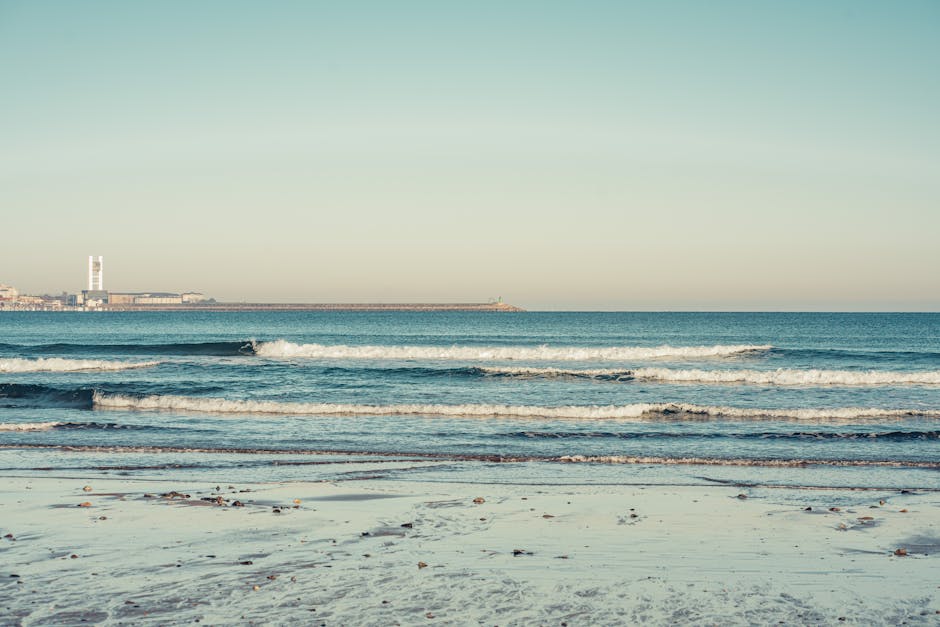
One common mistake is to only visit during sunny days for picturesque views. Roker Pier offers a unique experience in all weather, whether it’s the dramatic waves crashing against the structure during a storm or the serene sunsets that paint the sky in hues of orange and purple. Each visit presents an opportunity to observe the changing landscapes and the local wildlife that inhabit the area.
Comparing Roker Park and Roker Pier
While both Roker Park and Roker Pier offer unique experiences, they cater to different aspects of Sunderland’s culture. Roker Park is more community-oriented, focusing on events and gatherings, whereas Roker Pier embodies the city’s maritime history and offers a space for reflection and solitude.
Those looking to immerse themselves in local culture might prefer the lively atmosphere of Roker Park during festivals, while others might seek the tranquility and historical significance of Roker Pier. Recognising how these two locations complement each other can lead to a more enriching experience.
Mistakes to Avoid When Engaging with Sunderland’s Culture
A common oversight is not engaging with local residents or participating in community activities. Many visitors tend to stay within their comfort zones, missing out on the vibrant discussions and connections that can occur in these spaces.
Additionally, neglecting to learn about the history behind these landmarks can limit your experience. Understanding the stories and the significance of Roker Park and Roker Pier transforms a simple visit into a cultural journey.
In conclusion, embracing Sunderland’s local culture through Roker Park and Roker Pier offers a chance to connect with the city in a meaningful way. Don’t just skim the surface; dive deeper into the stories, events, and community interactions that make these places truly special.
It could be worth checking out trying Road Angel Halo 5V Dash Cam 2-in-1 Hardwire Kit – USB Type-C & OBD 2.