Sunderland boasts a rich local culture that is often encapsulated in its beloved Roker Park and Roker Pier. However, there are several misconceptions about these landmarks and their significance to the local community. This article aims to clarify these misunderstandings, providing insight into what makes Roker Park and Roker Pier integral to Sunderland’s heritage.
Roker Park is Just a Park
One common misconception is that Roker Park is merely a green space for casual strolls. While it certainly offers beautiful walking paths and lush gardens, Roker Park is much more than just a park. Established in the 1880s, it is an important historical site that reflects Sunderland’s Victorian heritage. The park features a range of attractions, including a boating lake, a play area, and impressive floral displays. Furthermore, it often hosts community events, including art exhibitions and music festivals, which contribute significantly to the local culture.
Roker Pier is Only for Fishing
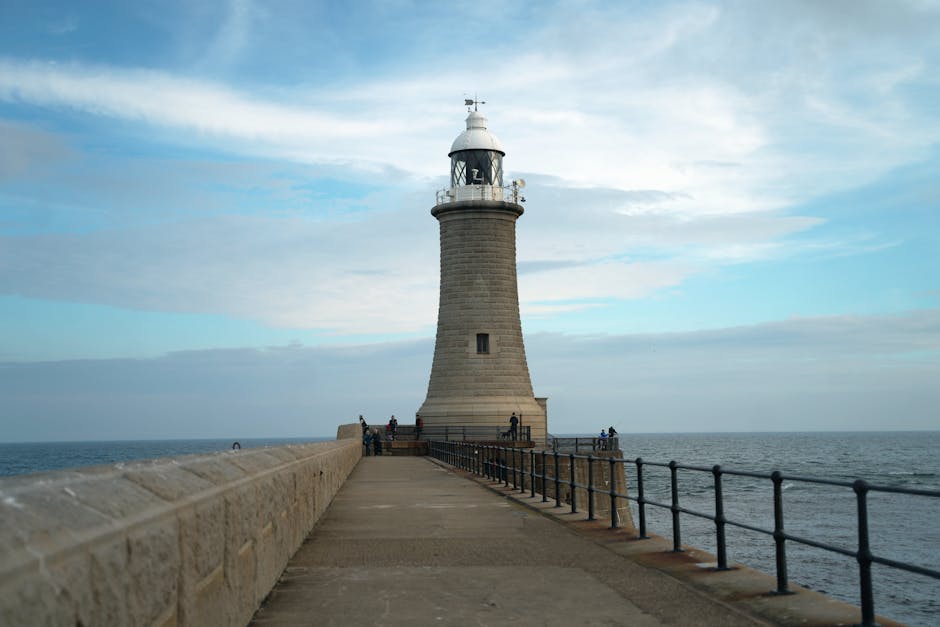
Another misunderstanding is the belief that Roker Pier serves solely as a fishing spot. While anglers do frequent the pier, its significance extends far beyond that. Roker Pier, completed in 1856, is a vital part of Sunderland’s maritime history and offers stunning views of the North Sea. It serves as a popular vantage point for both locals and tourists, providing opportunities for photography and leisurely walks. Additionally, the pier is a symbol of the city’s resilience and connection to the sea, making it a focal point for local pride and cultural identity.
The Local Culture is Not Diverse
People often assume that Sunderland’s local culture is homogenous, disregarding the diverse influences that shape it. In reality, Sunderland is a melting pot of traditions, reflecting the city’s industrial past and its current multicultural community. The cultural vibrancy is evident in various events, from the Sunderland International Airshow to the Sunderland Festival, which celebrate everything from local arts to global cultures. Roker Park and Roker Pier play essential roles in these festivities, offering venues for performances and social gatherings that highlight this diversity.
Roker Park and Pier Are Only for Tourists
Finally, many believe that Roker Park and Roker Pier cater exclusively to tourists, overlooking their importance to locals. In truth, these landmarks are integral to the daily lives of Sunderland residents. Families often gather in Roker Park for picnics, community sports, or simply to enjoy the scenery. Likewise, locals frequent Roker Pier for morning walks or to watch the sunset, making these spaces vital to the community’s social fabric. The connection that Sunderland residents have with these sites underscores their role as communal hubs rather than tourist attractions.
Reflecting on Sunderland’s Local Culture
Understanding Sunderland’s local culture through the lenses of Roker Park and Roker Pier reveals a complex and vibrant community. These sites are not just physical spaces; they embody the city’s history, diversity, and the shared experiences of its people. By appreciating their multifaceted significance, one can gain a deeper insight into what makes Sunderland a unique place to live and visit.