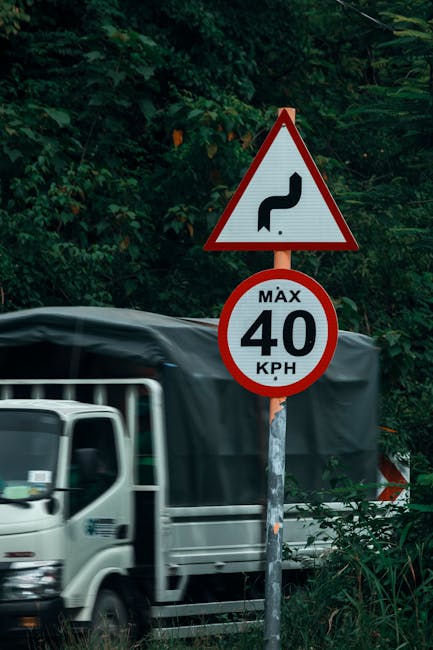
Imagine driving down a quiet road, the sun shining, when suddenly, a flash catches your eye. That was a speed camera, silently capturing your speed as you passed. But how exactly do these devices measure your velocity? Let’s delve into the various technologies employed by speed cameras to detect speed and the implications of each method.
Laser Speed Detection
One of the most well-known methods of speed detection uses laser technology. Laser speed cameras emit a focused beam of light that measures the time it takes for the light to bounce back after hitting a vehicle. This method can provide highly accurate speed readings and is often used by police officers in handheld devices.
The precision of laser detection is impressive; however, it requires specific conditions to function optimally. Factors such as weather, lighting, and the angle of the vehicle can affect accuracy. Additionally, the need for an operator means that it cannot monitor multiple vehicles simultaneously, making its utility limited to specific enforcement scenarios.

Radar Speed Detection
Radar technology is another common approach employed by speed cameras. This system emits radio waves that bounce off moving vehicles. By analysing the frequency change in the returned waves, the camera can calculate the speed of the vehicle.
Radar can cover a wider area than laser systems and can track multiple vehicles at once, making it more efficient for use in busy areas. However, it may be less precise than laser detection, especially at longer distances or when vehicles are in close proximity to each other.
Inductive Loop Sensors
Inductive loop sensors are embedded in the road surface and detect the presence of vehicles by measuring changes in inductance caused by metal. When a vehicle passes over these loops, the system calculates the time taken to traverse the loops, allowing it to determine speed.
This method is often used in fixed speed camera installations and is beneficial for its low maintenance and installation costs. However, it lacks the flexibility of mobile systems and can only monitor traffic at specific points. Moreover, if the loops are damaged or malfunctioning, inaccurate readings can occur, leading to potential disputes over speeding fines.
Average Speed Cameras
Average speed cameras take a different approach by measuring the time it takes for a vehicle to travel between two or more fixed points. By calculating the distance and the time taken, these cameras provide an average speed for that section of road.
This method can be highly effective in areas where consistent speed enforcement is necessary, such as roadworks or high-traffic zones. However, the reliance on multiple points means that installation can be more costly and logistically challenging. Furthermore, if vehicles are able to speed between the cameras without being detected, the effectiveness of the system diminishes.
Trade-offs Between Methods
When comparing these technologies, it’s clear that each has its strengths and weaknesses. Laser systems offer high accuracy but require an operator and optimal conditions. Radar is versatile and can monitor multiple vehicles but may lack precision. Inductive loops are economical but limited in flexibility, while average speed cameras excel in consistent enforcement but can be expensive to install.
Ultimately, the choice of speed detection technology often balances budget, operational needs, and the specific driving environment. Authorities must consider these factors to implement the most effective speed enforcement strategy.
Understanding the mechanisms behind how speed cameras detect speed can foster a greater awareness of road safety. When driving, remember that the technology is designed to ensure compliance with speed limits, ultimately contributing to safer roads for everyone.
Read our complete guide to how do speed cameras detect speed
Related: Speed Camera Vans Explained Ireland – Everything you need to know about ‘Speed Vans’