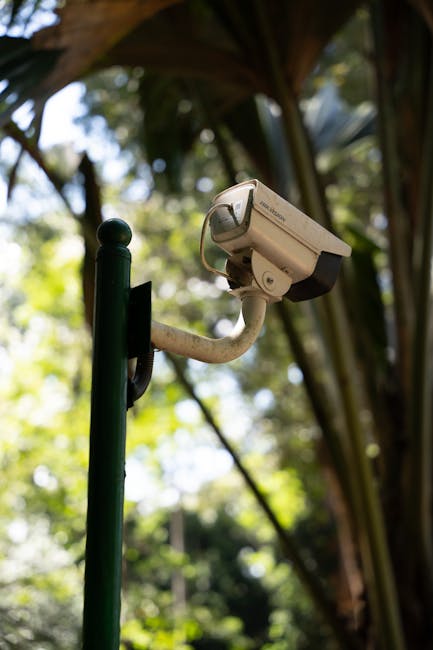
Many people believe that speed cameras simply snap a photo of a vehicle and record its speed. However, the technology behind how speed cameras detect speed is much more complex and involves various methods and equipment. Understanding this technology can help clarify why speed limits are enforced and the accuracy of these systems.
Speed cameras primarily utilise two main technologies to determine vehicle speed: radar and laser. Each method has its own principles and advantages, but both aim to achieve the same outcome—accurately measuring how fast a vehicle is travelling.
It could be worth checking out using 70mai A800SE Dash Cam Car Front Rear 4K UHD+1080P with GPS WiFi, Dual Car .
Radar speed cameras operate using the Doppler effect, which is a change in frequency or wavelength of waves in relation to an observer moving relative to the source of those waves. When a vehicle approaches the radar unit, it emits radio waves. These waves bounce off the moving vehicle and return to the camera. The speed is calculated by measuring the frequency change of the returned waves. This method is effective for capturing multiple vehicles at once and can cover significant distances.
On the other hand, laser speed cameras, also known as LIDAR (Light Detection and Ranging), employ a beam of infrared light. The camera sends out pulses of light towards the vehicle, which reflect back to the device. By measuring the time it takes for the light to return, the camera can precisely calculate the speed of the vehicle. Laser cameras are typically more accurate over shorter distances and can focus on individual vehicles, making them particularly useful in areas with heavy traffic.
Another method used by some modern speed cameras is automatic number plate recognition (ANPR). While this technology is primarily for identifying vehicles, it can also be linked to speed measurement systems. ANPR cameras can capture the time a vehicle passes two fixed points, allowing for the calculation of speed based on the distance and time taken. This system can be integrated with both radar and laser technologies for enhanced accuracy.
While these technologies are designed to be reliable, some argue that they can produce false readings due to environmental factors or equipment malfunction. For instance, heavy rain or fog can affect radar signals, potentially leading to inaccuracies. However, regular calibration and maintenance of speed cameras are standard practices that help mitigate these concerns, ensuring that the data collected remains as precise as possible.
In conclusion, speed cameras detect speed through a combination of radar, laser, and ANPR technologies, each with unique methods of measurement. While there are valid points regarding potential inaccuracies, the overall effectiveness and reliability of these systems in promoting road safety cannot be overlooked. Given the advancements in technology, how do you think speed enforcement will evolve in the future?
It could be worth checking out trying 70mai T800E 4K 3 Channel Dash Cam, 4K+1080P+1080P Front and Rear Inside T.
Learn more in our how do speed cameras detect speed guide
Related: Hand Held Police Speed Camera