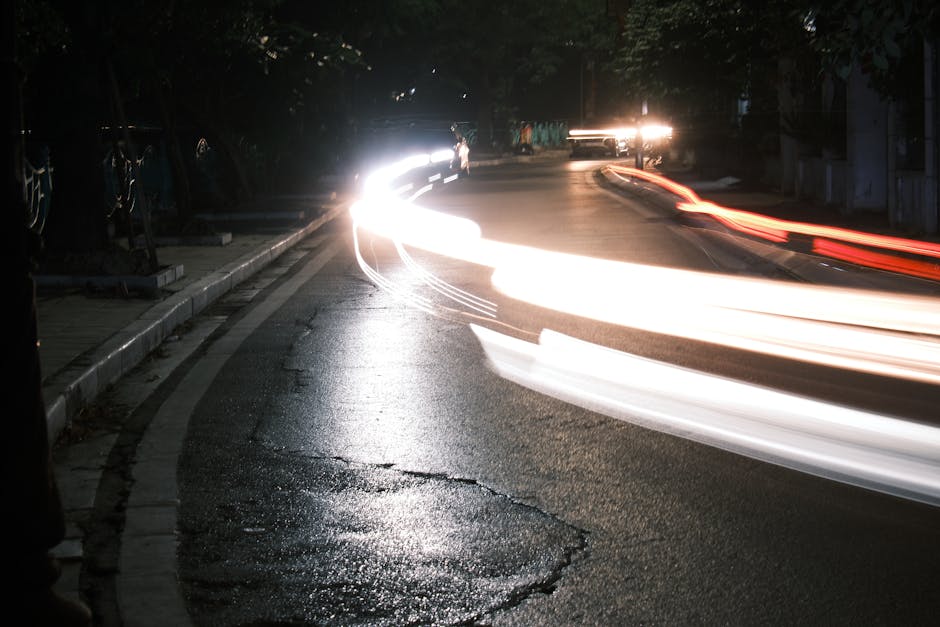
Imagine driving down a quiet country road, the sun dipping low as you enjoy the tranquillity of the evening. Suddenly, a flash of light catches your eye. Was that a speed camera? Did it just capture your speed? This scenario raises a common question: do speed cameras always flash? The answer is nuanced and varies depending on the type of speed camera in use.
Types of Speed Cameras and Their Flashing Mechanisms
It could be worth checking out a reliable speed camera basics.
Speed cameras come in various types, each with distinct technologies and operational methods. Knowing how they function can clarify when you might expect a flash.
– **Fixed Speed Cameras**: Often positioned at known speed hotspots, these cameras can operate with or without a flash. Some fixed cameras use infrared technology, which does not require a flash, making it invisible to the naked eye but still effective in capturing speeding vehicles.
– **Mobile Speed Cameras**: Typically used by police in marked or unmarked vehicles, mobile cameras often do flash. They usually rely on traditional photographic methods, which require a flash to capture clear images of speeding vehicles, especially at night or in poor light conditions.
– **Average Speed Cameras**: These systems monitor your speed over a distance rather than at a single point. They usually do not flash, as they rely on cameras that can record your speed continuously without the need for a flash.
When Speed Cameras Don’t Flash
It’s a common misconception that all speed cameras flash whenever they capture a vehicle speeding. In reality, many modern cameras are designed to operate discreetly. For example, many newer models use digital technology, allowing them to take photographs without emitting a visible flash. This can lead to confusion for drivers who believe they have avoided detection simply because they did not see a flash.
The Implications of Not Seeing a Flash
The absence of a flash does not mean you are in the clear. If you exceed the speed limit, you may still receive a ticket. This is particularly relevant when considering fixed cameras that operate silently or use infrared capabilities. Drivers often mistakenly believe that if they do not see a flash, they are safe from penalties, which can lead to unfortunate surprises when fines arrive in the post.
Common Mistakes Made by Drivers
Drivers often make errors in judgement regarding speed cameras and their flashing capabilities. Here are a few notable ones:
– **Assuming All Cameras Flash**: Many drivers incorrectly assume that every speed camera will flash, leading them to believe they are not being monitored when they don’t see a flash.
– **Underestimating Camera Types**: Not understanding the different types of speed cameras can result in miscalculations about how and when they operate. For example, drivers might not realise that average speed cameras do not flash at all.
– **Ignoring Speed Limits**: Just because you did not see a flash does not mean you won’t receive a ticket. Many drivers mistakenly think that if they don’t see a flash, they can exceed the speed limit without consequence.
Reflecting on Speed Cameras and Their Role
Understanding whether speed cameras always flash requires a deeper look into their functionality and technology. While the flash can signal a driver’s misstep, it is crucial to remember that speed enforcement is about safety rather than solely capturing offences. By comprehending the diversity of speed camera systems, drivers can make more informed decisions, promoting safer roads for everyone. The next time you drive past a speed camera, remember: a flash isn’t always a guarantee of detection, but speed limits should always be respected.
Learn more in our do speed cameras always flash guide
Related: HOW TO INSTALL SPEED CAMERA ALERTS ON THE AUDI SAT NAV MMI SYSTEM – Full start to finish guide
For more detail, see Do Speed Cameras Always Flash? Understanding Their Operation.